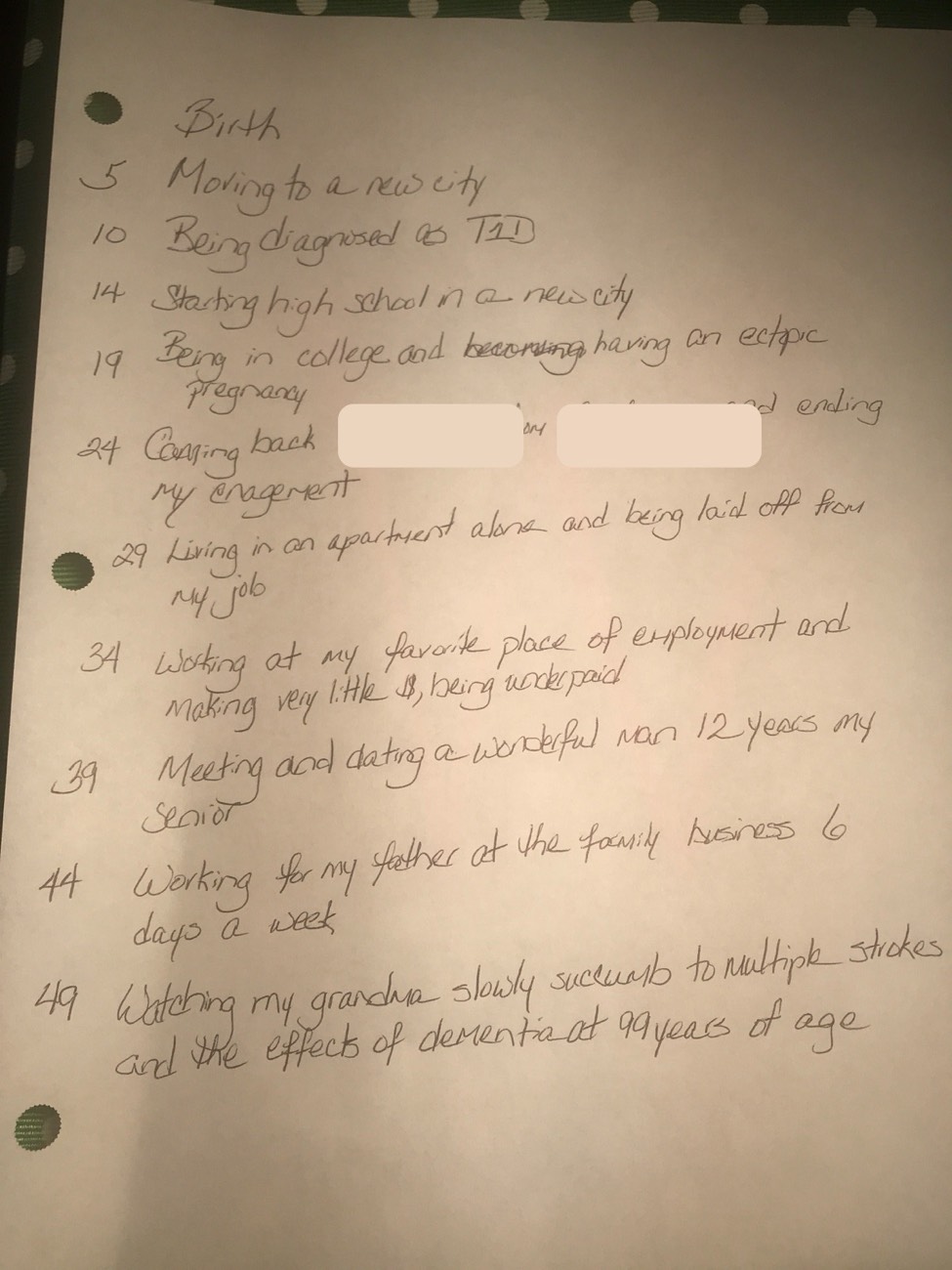
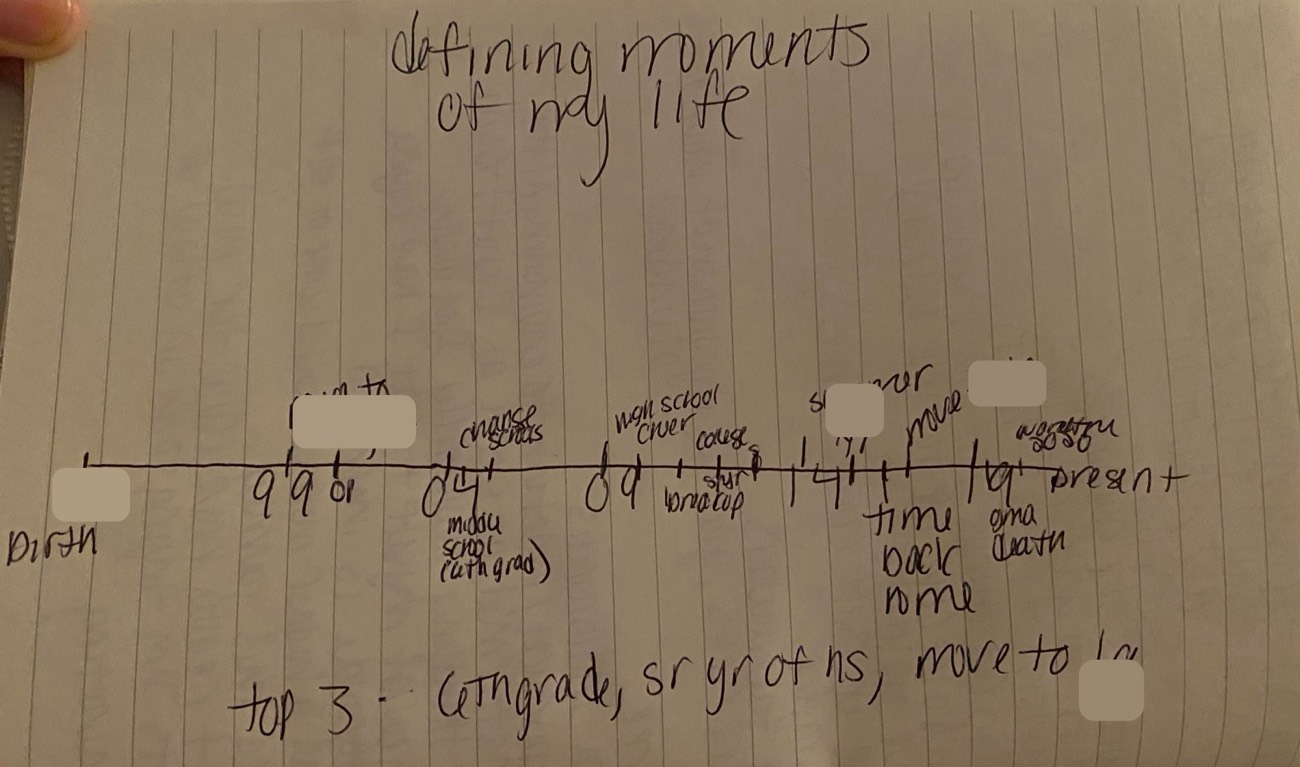
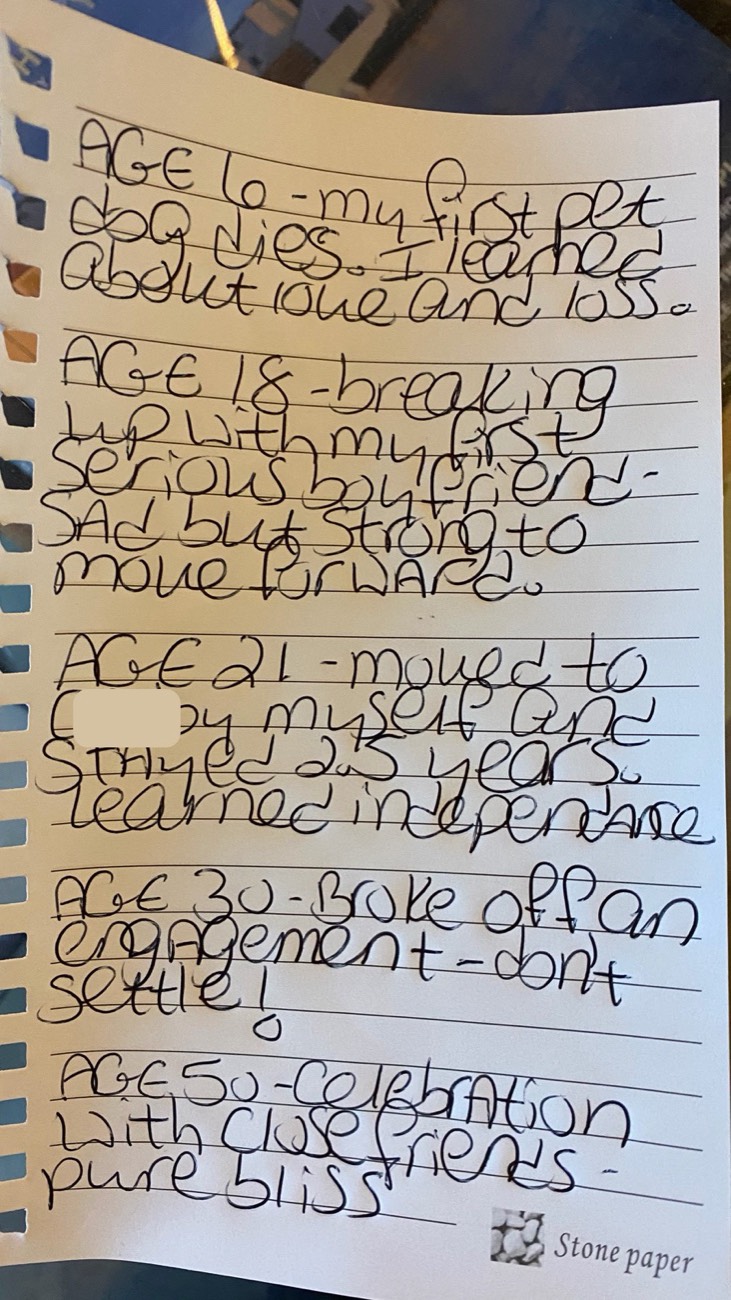
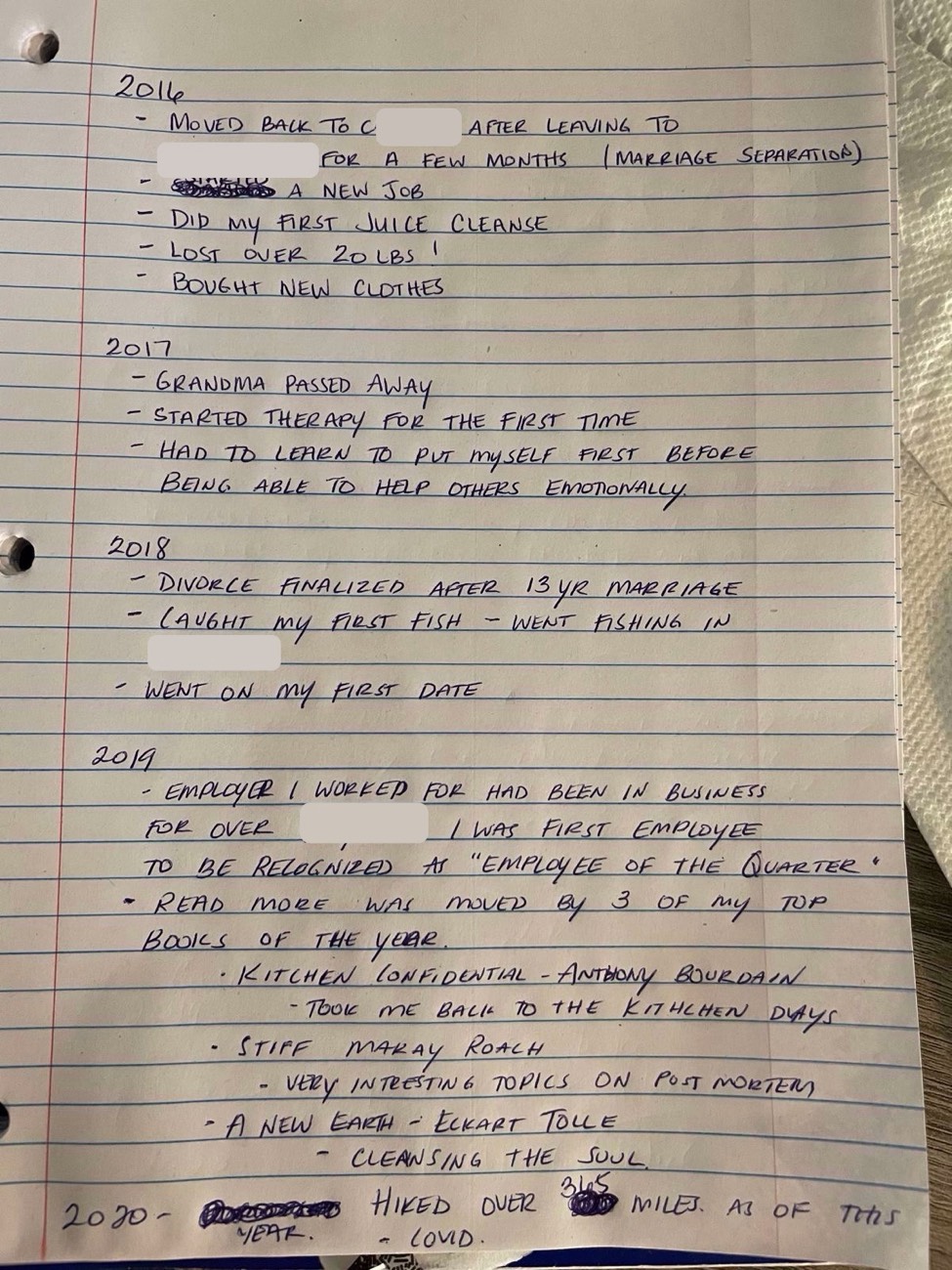
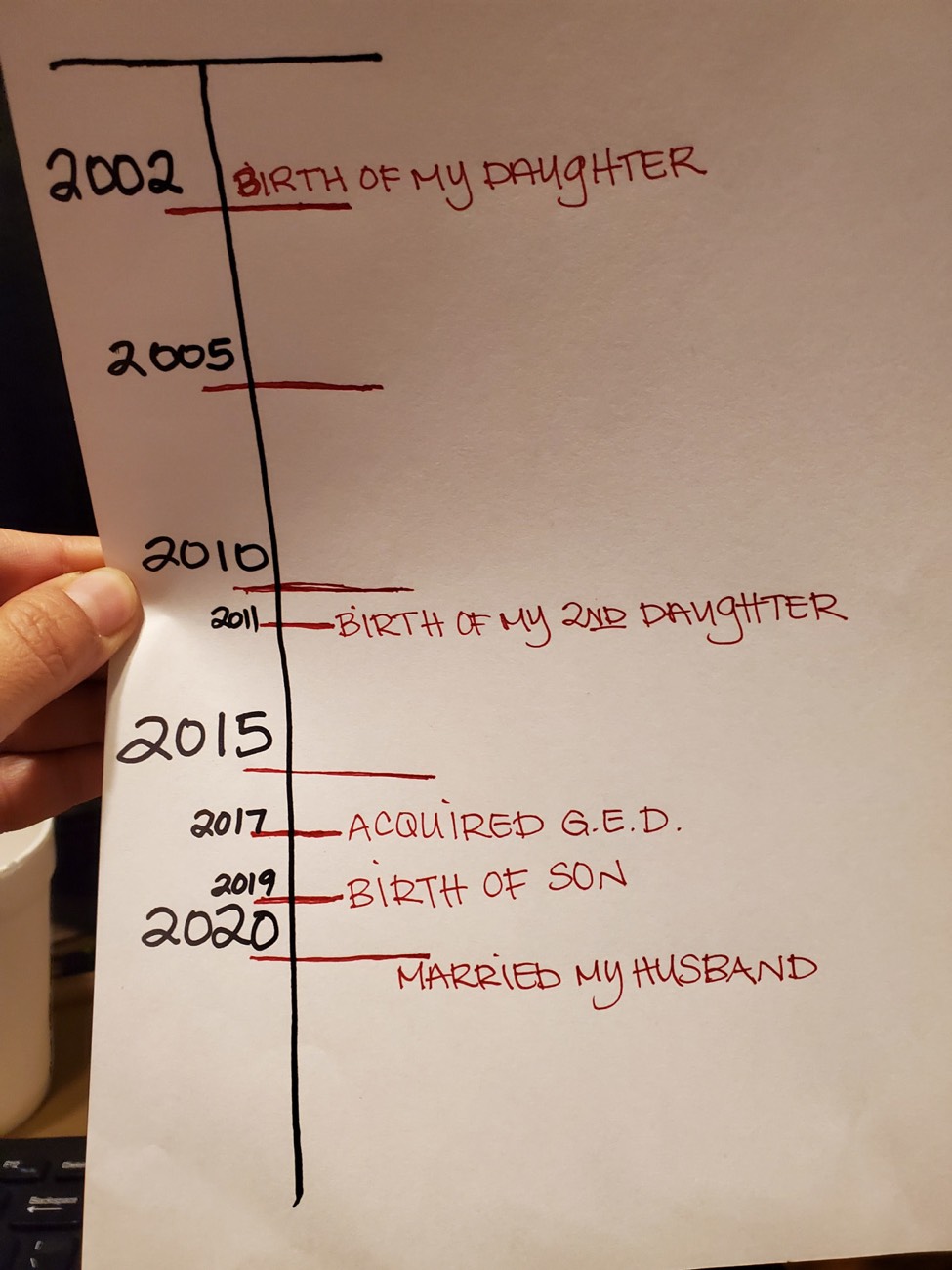
On the second day, 54 women looked back. They drew the defining moments of their lives, then told us who shaped the way they eat, then and now, and whose advice they trust. The lifelines were about children, partners, illness, moves and loss. Food came in later, and it came in through people.
Women who answered
54
Questions
6
reset. pathways
ConnectRestore
What they were asked
Which statements about life do you relate to most of the time? Choose two.
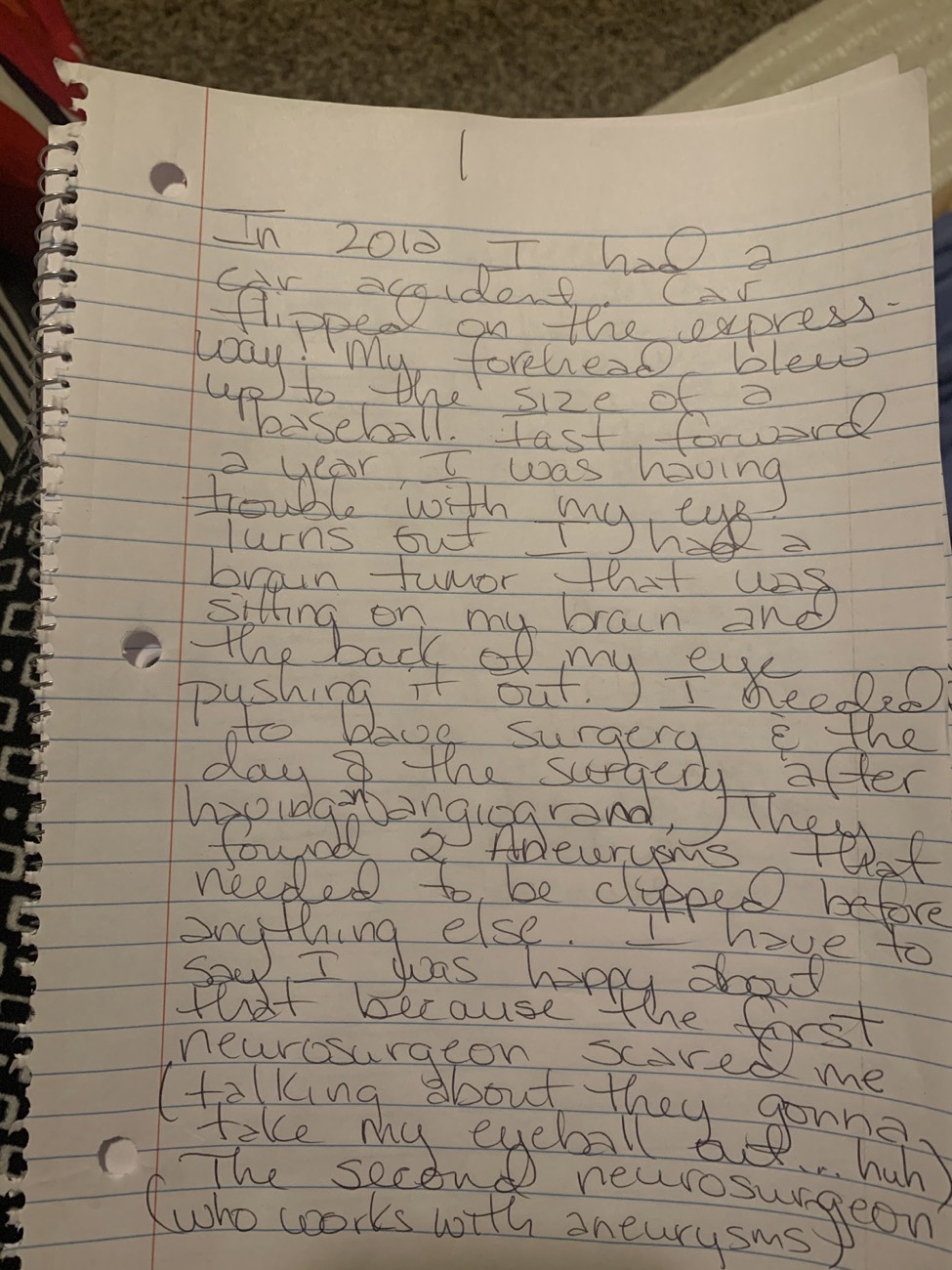
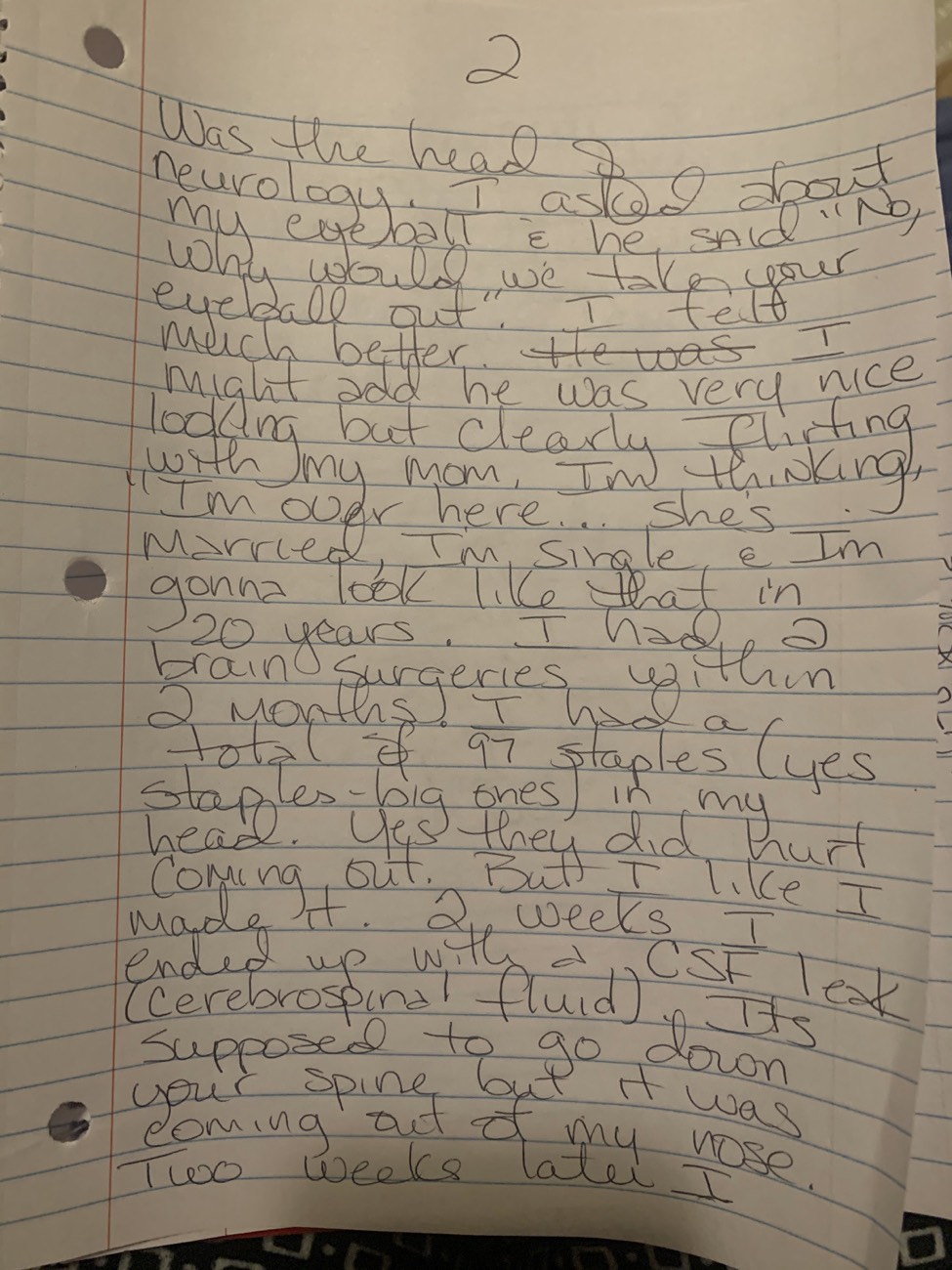
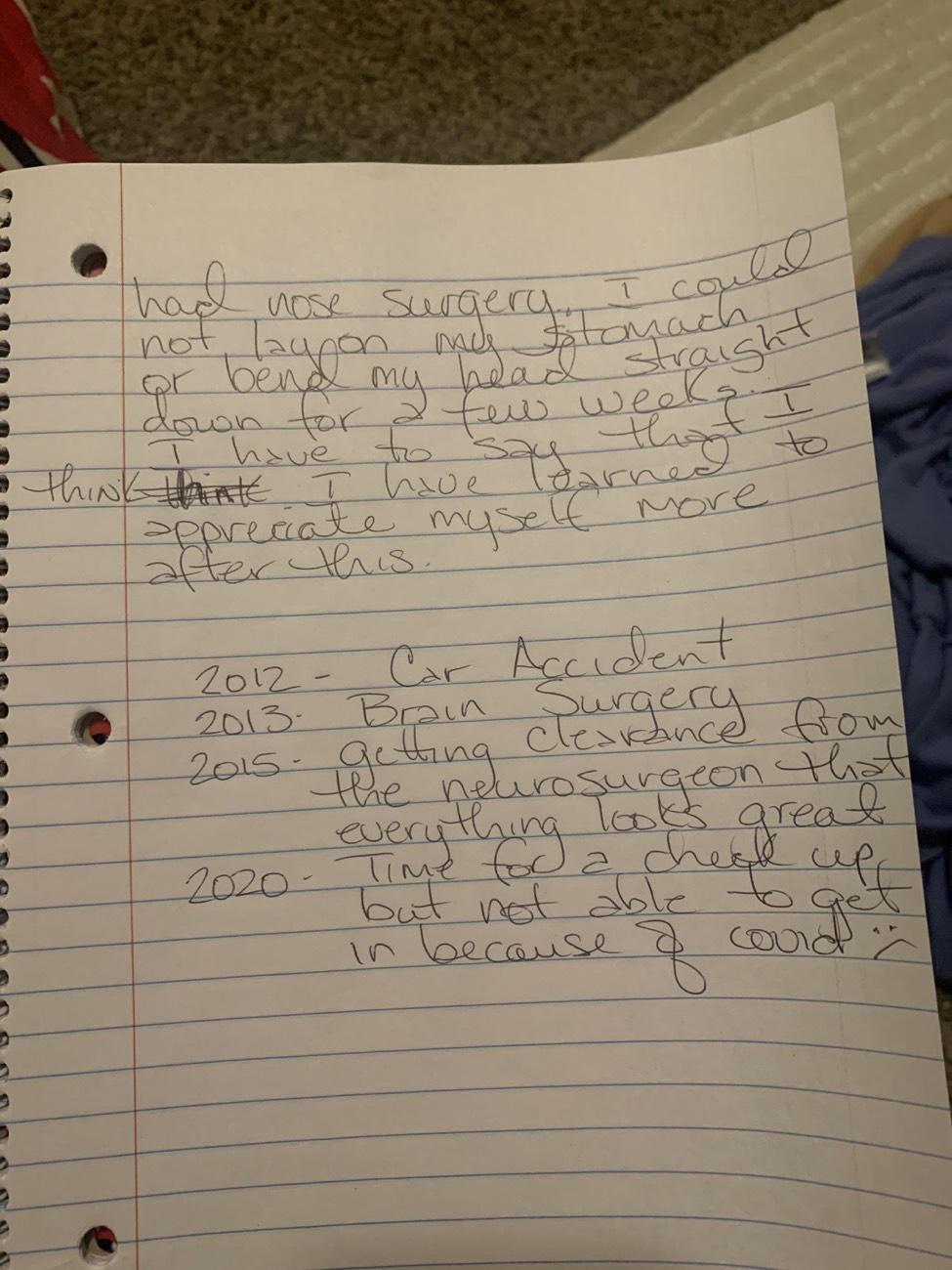
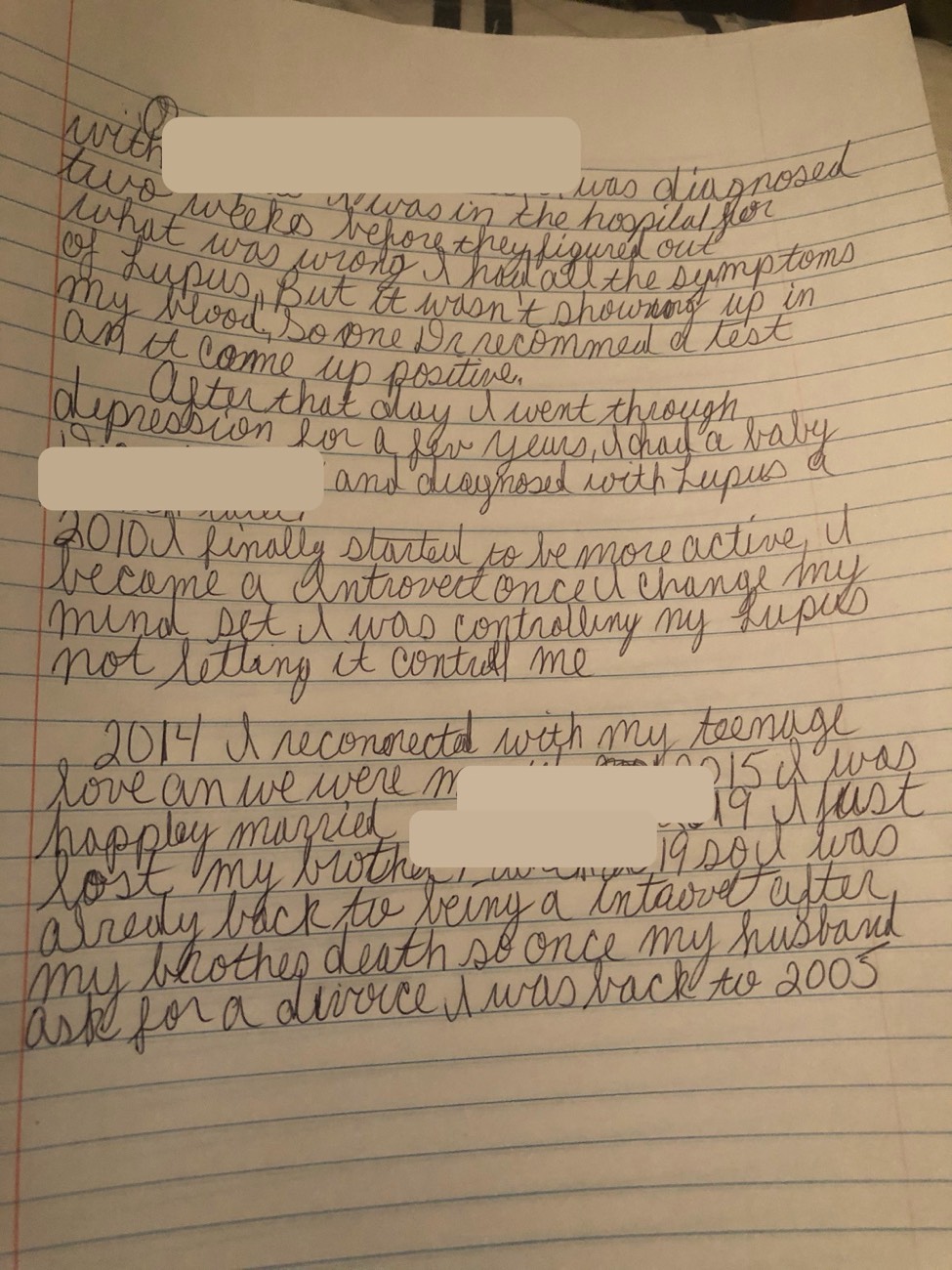
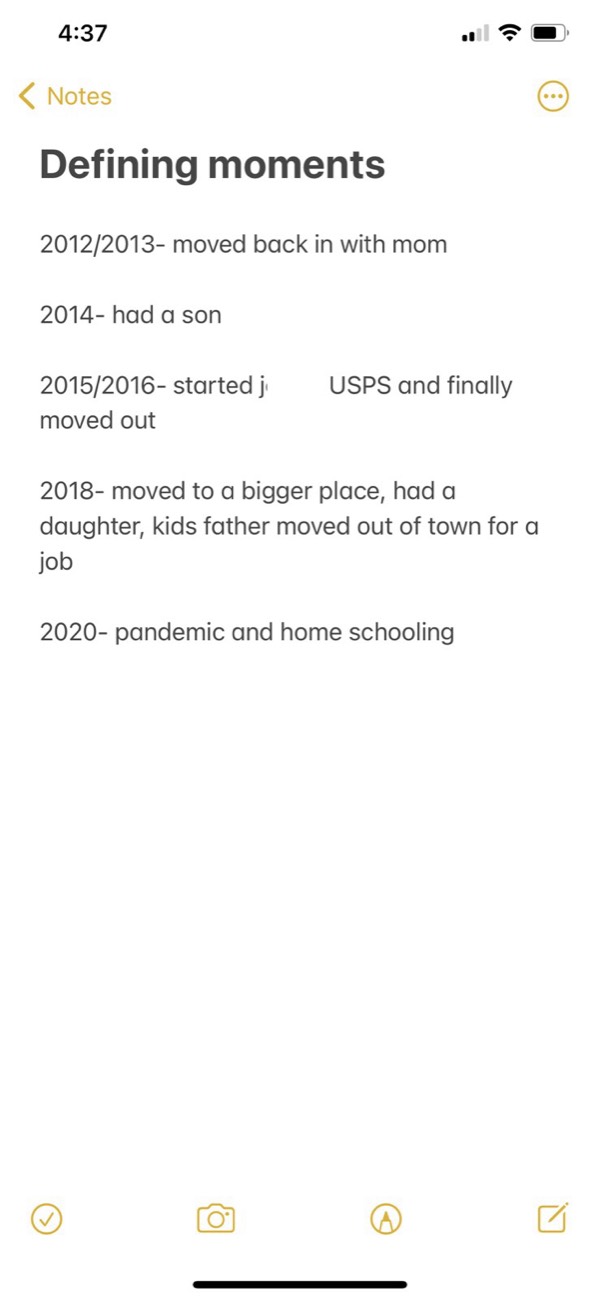
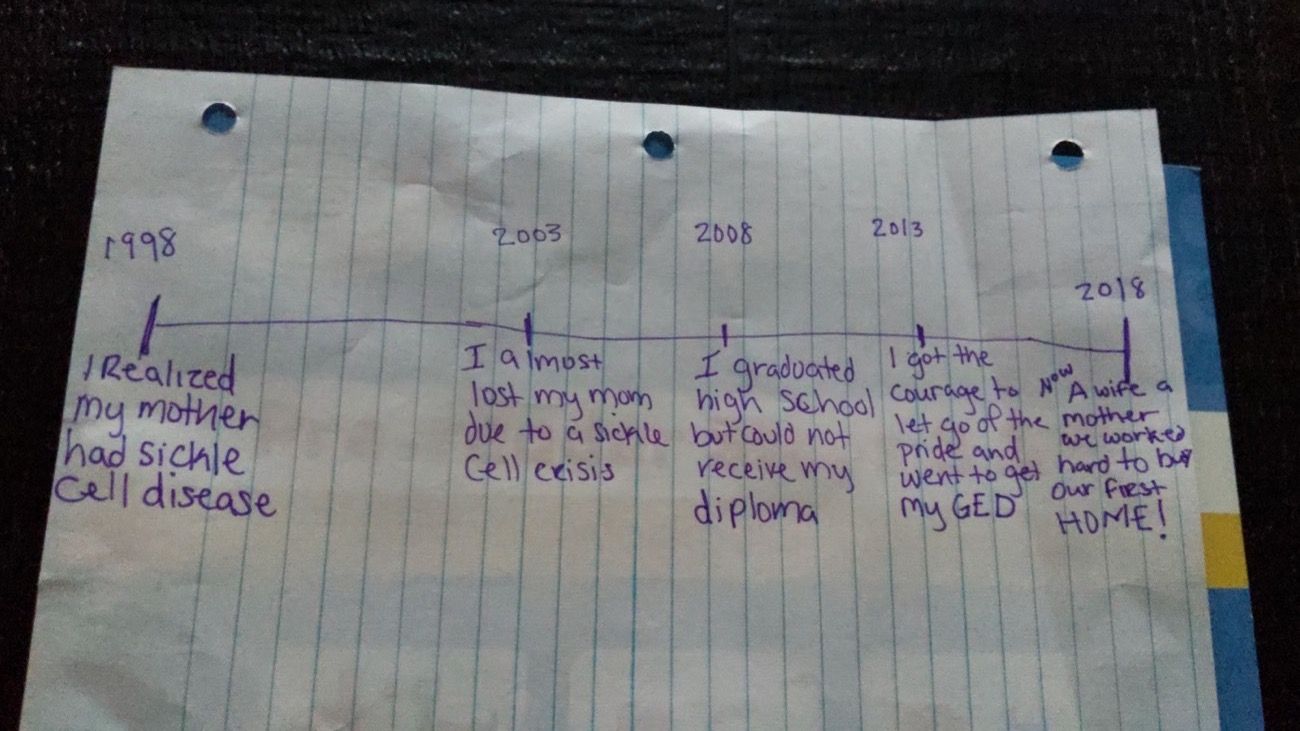
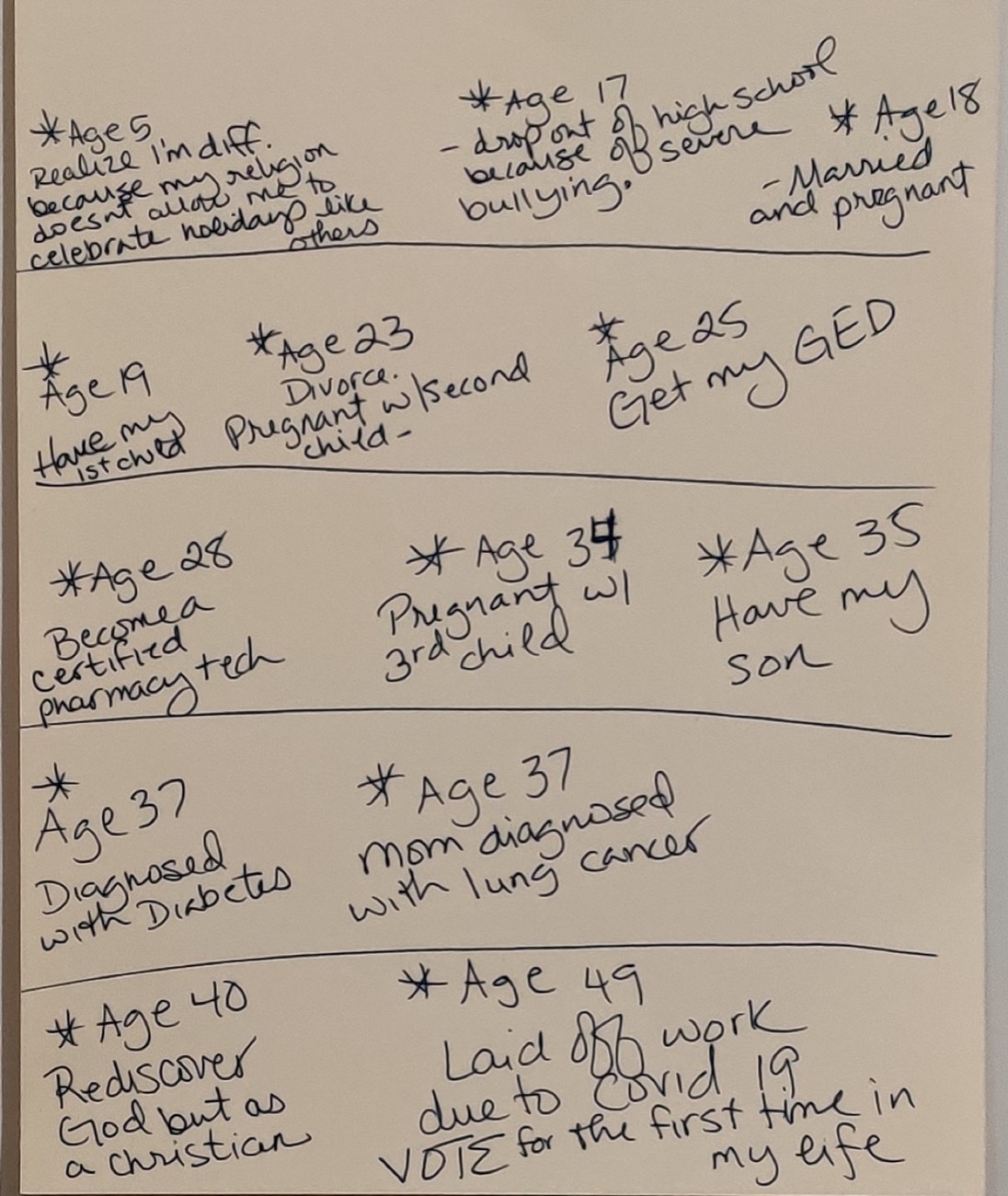
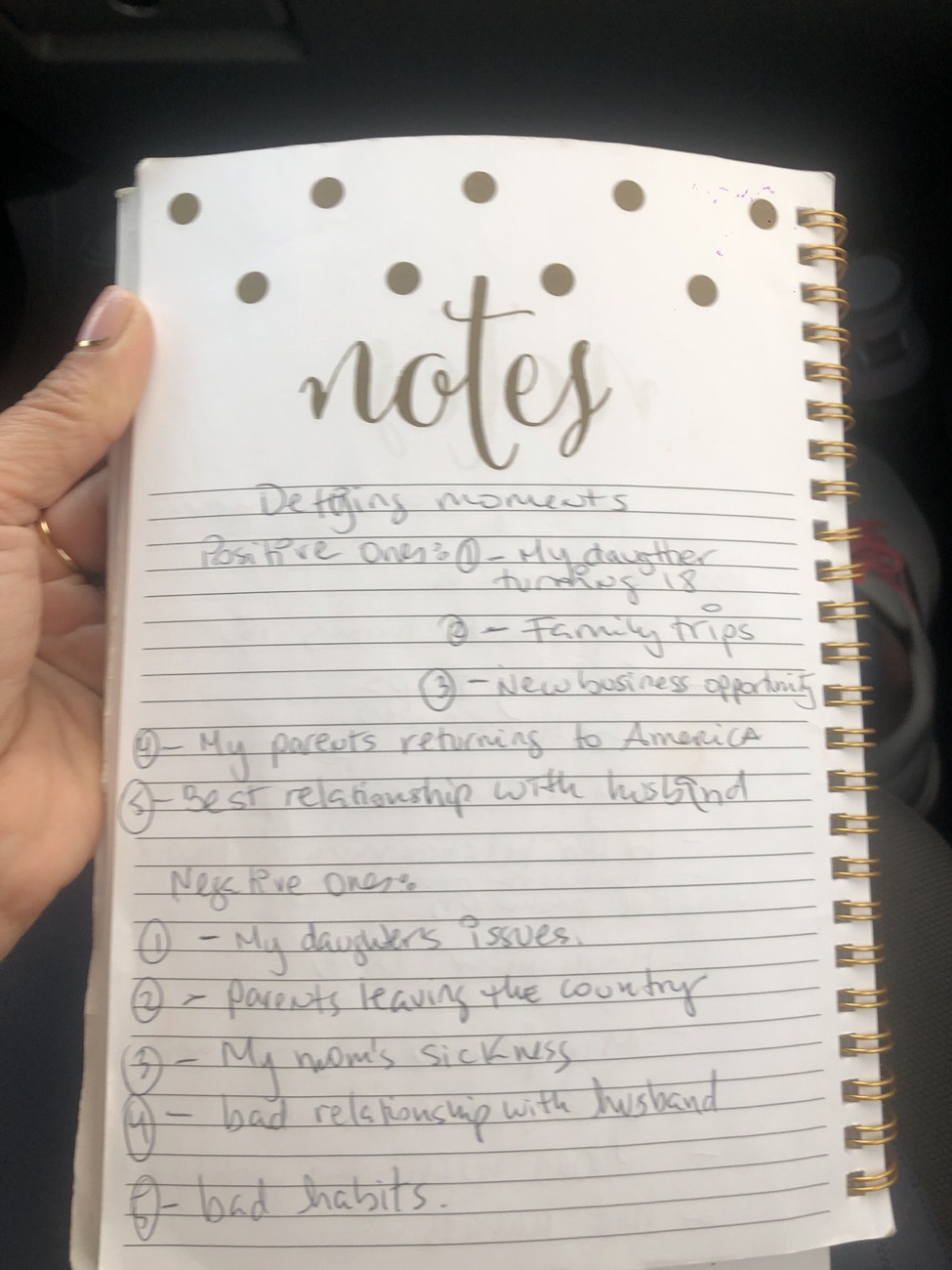
Looking back, what are the defining moments that helped you become the person you are today? Make a timeline and give each moment a title.
Choose your three most important defining moments. Why does each matter, and how did it shape who you are?
When you were growing up, who or what had the greatest influence on your food choices?
Today, who or what has the greatest influence on your daily food choices?
Who are you most likely to seek food advice from, and who least? Why?
What we heard
The lifelines were not about food. Food sat downstream of them.
Asked for the moments that made them, 49 women wrote about becoming mothers, losing someone, leaving or finding a partner, falling ill and moving on. On the 14 handwritten timelines that survive, food appears on one.
Then the questions turned to the plate. Parents shaped how 42 of 48 women learned to eat. Today the family still shapes it for 36 of 48, but now as the people she feeds, and media has moved in beside them.
One reading is that these women eat inside their histories. Several said so plainly: a stressed, grieving or newly single woman eats differently, and the turning points in a life are also the moments when the way she eats can change.
life changing events nudge me to make better food choices once I deal with the shock, grief, stress or hurt
Women naming each among their defining moments, of 49 who described them on Day 2. A woman could name several. Education was often a hard-won victory: a GED after repeated tries, college a decade late, the first in the family.
Being a mother changed how I moved in life and gave me a love that I never felt before
Content note: These lifelines mention pregnancy loss, postpartum depression, depression, serious illness and the sudden death of a young family member, in a few words each. If you are struggling, you can call or text 988 (Suicide & Crisis Lifeline) in the U.S. at any time.
Lifelines: defining moments, drawn
Every life has peaks and valleys
Each woman was asked to map the defining moments of her life and give each one a title. 46 of those maps are redrawn here, with neutral labels and no dates or places. One woman drew her own heights; for everyone else, how high or low a moment sits follows her own words.
Her heights: she drew them Heights follow her own words The middle line: above it the high points, below it the hardest
Themes across 17 of these lifelines. A line can carry several themes. On the 14 handwritten timelines that survive, relationships appear on 10, children on 9, illness on 9, and food on 1.
In her words
What each moment taught her
This was the biggest risk that I'd ever taken in my life.
Simone · Black · in her 20s · on moving across the country
This moment made me who I am today, a strong independent woman.
Adriana · Latina · in her 30s · on becoming a young mother
this made me very empathetic towards all people, sometimes to a fault
Sheila · White · in her 40s · on leaving school because of bullying
Then: the people who fed her. Now: the people she feeds, and the screen.
Each woman chose the two strongest influences on her food choices, first growing up and then today. Parents dominate childhood. Today the family still comes first, but in practice it means the people she cooks for: children with their own tastes, a partner, a sister on a low-salt diet. Media has moved in beside them rather than replacing them.
Then
Growing up: who fed her
Parents42
Grandparents24
School13
Media and advertising5
Work3
Someone else9
When I was growing up, you ate what was prepared. So definitely my parents.
I cook what I think they will like and what I know they will eat. That often isn't very healthy. I'm too tired to prepare myself something separately even though I want to eat differently.
Women choosing each among their top two influences, of 48. Media today was named by 11 of 19 Latina women, 7 of 17 Black women and 4 of 12 White women; that difference is mixed up with age and is too small to read as a community pattern.
Inherited kitchens
Love, pride, and the kitchens some women had to invent
I learned food is an expression of love and pride.
She's the typical Spanish woman always cooking, house always smelling like fresh tortillas.
Daniela · Latina · in her 20s · on her grandmother
Making sure to taste everything! Never wait until the food is done before tasting.
Veronica · Latina · in her 30s · on what her mother taught her
I grew up in a home with a single mom who worked 2 jobs so she did not cook very often. I never learned how to cook and resorted to eating quesadillas and frozen dinners.
Of 48 women on Day 2. One reading: the messengers she trusts are people who have lived a change themselves: an aunt who kept weight off for years, a cousin who gardens and is vegan, a friend who coaches nutrition.
Where she looks for health information
Her phone first, then her doctor, and she checks both
Media and the internet42
A doctor28
Someone else: friends, books, a coach, herself24
A parent22
A co-worker7
A sibling6
Her child6
A grandparent5
A teacher1
Women naming each among their top three sources, of 47. Asked on Day 3; shown here with the people who shape her plate. Trust in doctors was real but conditional, and several women described having to advocate for themselves.
I always double check and research things I read to get feedback.
The three communities in this study also differ in age and household income, so a difference between groups may be a difference of life stage or money. We show a comparison only where it holds, with the number of women behind it.
Across communities
Keeping busy
Asked which two statements about life they relate to most, women in every community chose optimism often. One statement split them: “It's important for me to keep busy” was chosen by 10 of 14 White women, against 5 of 19 Black women and 4 of 21 Latina women, who more often chose “I'm optimistic about my future”.
The difference holds at every age and in both household-means groups. Several White women explained busyness as a way to keep worry at bay.
Not all of them. One White woman in midlife chose the opposite: “I am mostly relaxed and enjoy quiet peaceful things.”
Read with care. Many of the White women in this study were midlife and unpartnered. We cannot tell from the diaries whether this is temperament, life stage or a habit of managing alone. Describe, don't rank: busyness is a way of coping, not a trait.
Across life stages
Friends at the table
Friends as an influence on what she eats today rose with age: 3 of 18 women aged 25 to 34 named them, 3 of 13 aged 35 to 44, and 9 of 17 aged 45 to 54. Younger women more often named their children and partners, the people they cook for every night.
Within the midlife group, White women named friends most (5 of 7), which fits their being more often unpartnered.
A younger counter-voice: one woman in her early 30s credited friends and media together, “because they introduced me to healthier alternatives in place of some of the things I was raised on.”
Read with care. Each woman chose only two influences, so a friend named here may have pushed out someone else. Cells are small.
Across household means
Loss in the lifeline
Of 49 women who described their defining moments, those in more stretched households counted a death among them more often: 16 of 24, against 8 of 25 in households with a little more room. The pattern appears inside each of the three communities.
Not every stretched household's lifeline turns on loss. One young mother's turned on a door of her own: “So once I had my own place I felt like a true grownup.”
We cannot say which way it runs. A death can be what stretches a household, and a stretched household may meet more loss.
Read with care. Household means is estimated from income band and household size; call the groups “more stretched” and “a little more room”, never “poor”.
Before the diaries
What the experts helped us see.
JL
“Like the messenger is so important.”
Jasmine LeyvaDirector of The Invisible VeganES
“There's a huge amount of mistrust among the African American community and how they're treated by medical professionals.”
Erin SinnaeveFamily nurse practitioner and plant-based lifestyle coachJK
“people listen to their doctors different than they do to their sister in law or their or their mothers even.”
SHAKTI informed The GAIA Study, which went on to ask 14,626 Americans about diet, stress and resilience. In GAIA's partner sample, 83% of Whole Food Plant-Based respondents and 64% of Standard American Diet respondents felt confident about their ability to tackle challenges. That partner sample is a convenience sample, not the U.S. population, and the diet groups differ in other ways too.
Third Degree Burnout – A Survivor's Guide
SHAKTI informed the documentary. A survivor's guide is a fitting name for what these lifelines record.
Project reset. · Connect
Peers who have lived the change, and a buddy beside her: the kind of messenger these women already trust.
Project reset. · Restore
Support and rest at the turning points, the moments of loss and starting over when women say their eating shifts.
The reset. connection
Change travels through people she already trusts
Project reset., the film's educational impact campaign, helps people move from burnout to resilience through five pathways: Nourish, Restore, Move, Connect and Rebalance. Day 2 speaks to two of them.
Connect. Food reached these women through people, and it still does. Twenty-nine of 48 would avoid advice from a relative whose habits worry them, yet they trust a relative or friend who has lived a change: an aunt, a vegan cousin, a mother-in-law who cooks light. Connect builds on exactly that: small groups of peers who have walked the road, and a buddy beside her, never a lecture from outside.
Restore. The lifelines are full of loss, illness and starting over, and those turning points are also when women say their eating shifts. They are moments for support and rest, not for new rules.
One practical first step, in the women's own direction: one woman's most trusted food adviser was “My cousin, because she is a real gardner and vegan.” Name the one person you know who has already made a change you admire, and ask her for one recipe she makes every week.
 SHAKTI